
Travelers’ Diarrhea
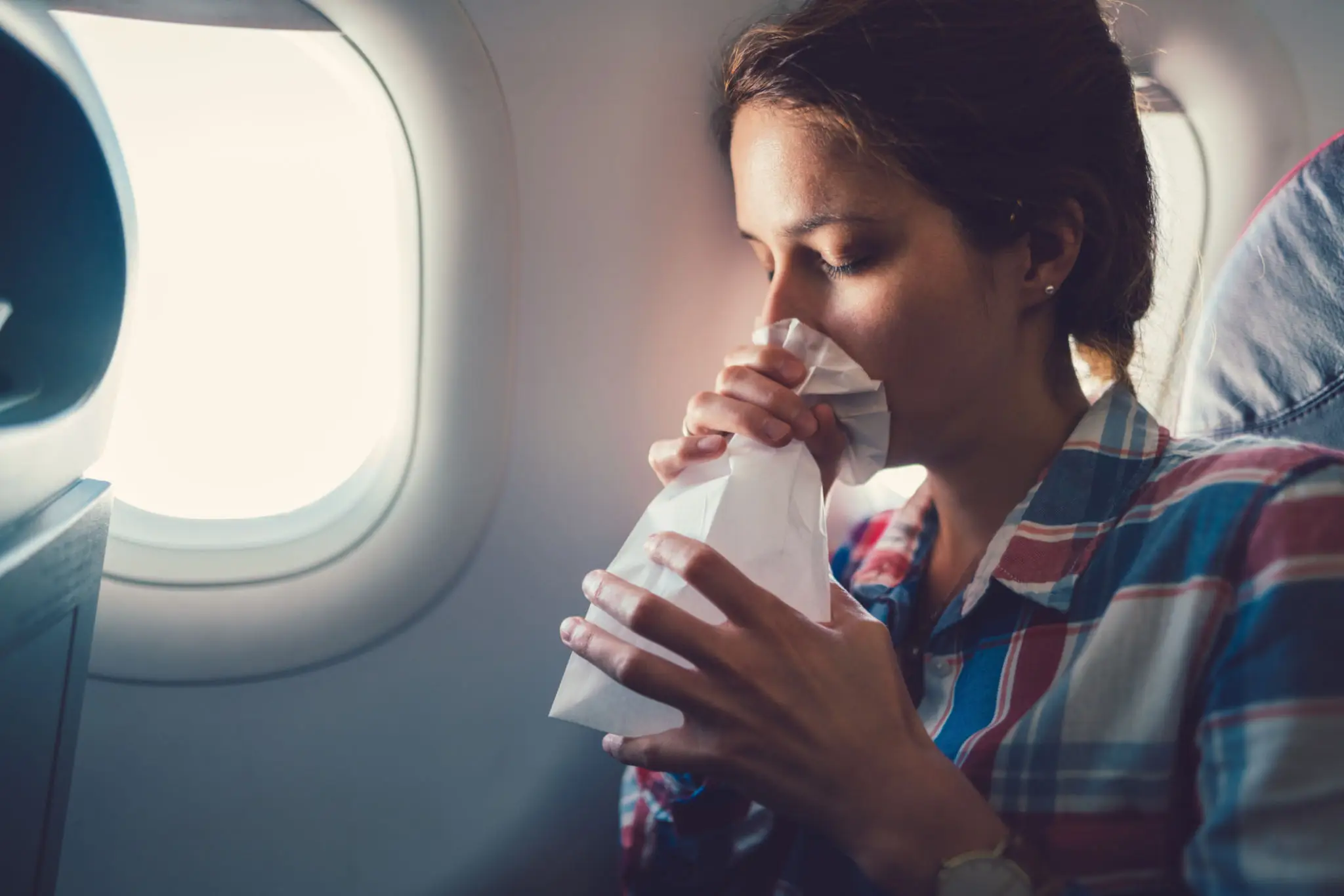
KEY FACTS
- It can happen in any place, but is more common in visitors to Asia, the Middle East, Africa and Latin America.
- It is often caused by bacteria spread through unsafe food or water.
- In most cases, illness is mild and only lasts for a few days.
SYMPTOMS
Loose or watery stools, stomach cramps, nausea, fever, and weakness are common symptoms.
- In most cases, symptoms are mild and go away on their own in three to four days.
- Children are at higher risk of dehydration due to fluid loss.
PREVENTION
- Choose your food and drinks wisely: Eat fully cooked foods served piping hot.
- Choose drinks in sealed bottles or cans. Avoid raw fruits and vegetables and drinks that contain ice.
- Brush your teeth with clean water: Use bottled water or boil tap water for at least one minute (3 minutes at high altitudes).
- Wash your hands often: especially after using the toilet and before eating food.
- Use soap and water or an alcohol-based hand sanitizer.
TREATMENT
- Stay hydrated by drinking plenty of fluids. Oral rehydration solutions available at pharmacies can help to replace lost salts and minerals.
- Consider over-the-counter drugs like loperamide to treat diarrhea symptoms.
- Only take antibiotics if needed and as prescribed by a doctor or health professional.
- Consider using antibiotics only for severe or distressing symptoms.
- See your doctor if you have severe or persistent symptoms, and ask for a stool test.
MORE INFORMATION
Travelers are advised to check official health information from their own country, such as:
- Centers for Disease Control and Prevention, United States: https://wwwnc.cdc.gov/travel/page/travelers-diarrhea
- Travel Health Pro, United Kingdom: https://travelhealthpro.org.uk/factsheet/53/travellers-diarrhoea
- Public Health Agency of Canada: https://www.canada.ca/en/public-health/services/diseases/diarrhea.html
References
- Steffen R, Hill DR, DuPont HL. Traveler’s Diarrhea: A Clinical Review. JAMA. 2015;313(1):71–80. https://doi.org/10.1001/jama.2014.17006
- Riddle MS, Connor BA, Beeching NJ et al. Guidelines for the prevention and treatment of travelers’ diarrhea: a graded expert panel report. Journal of Travel Medicine. 2017; 24 (suppl_1):S57–74. https://doi.org/10.1093/jtm/tax026