
Global Travel Health Blog on Chikungunya
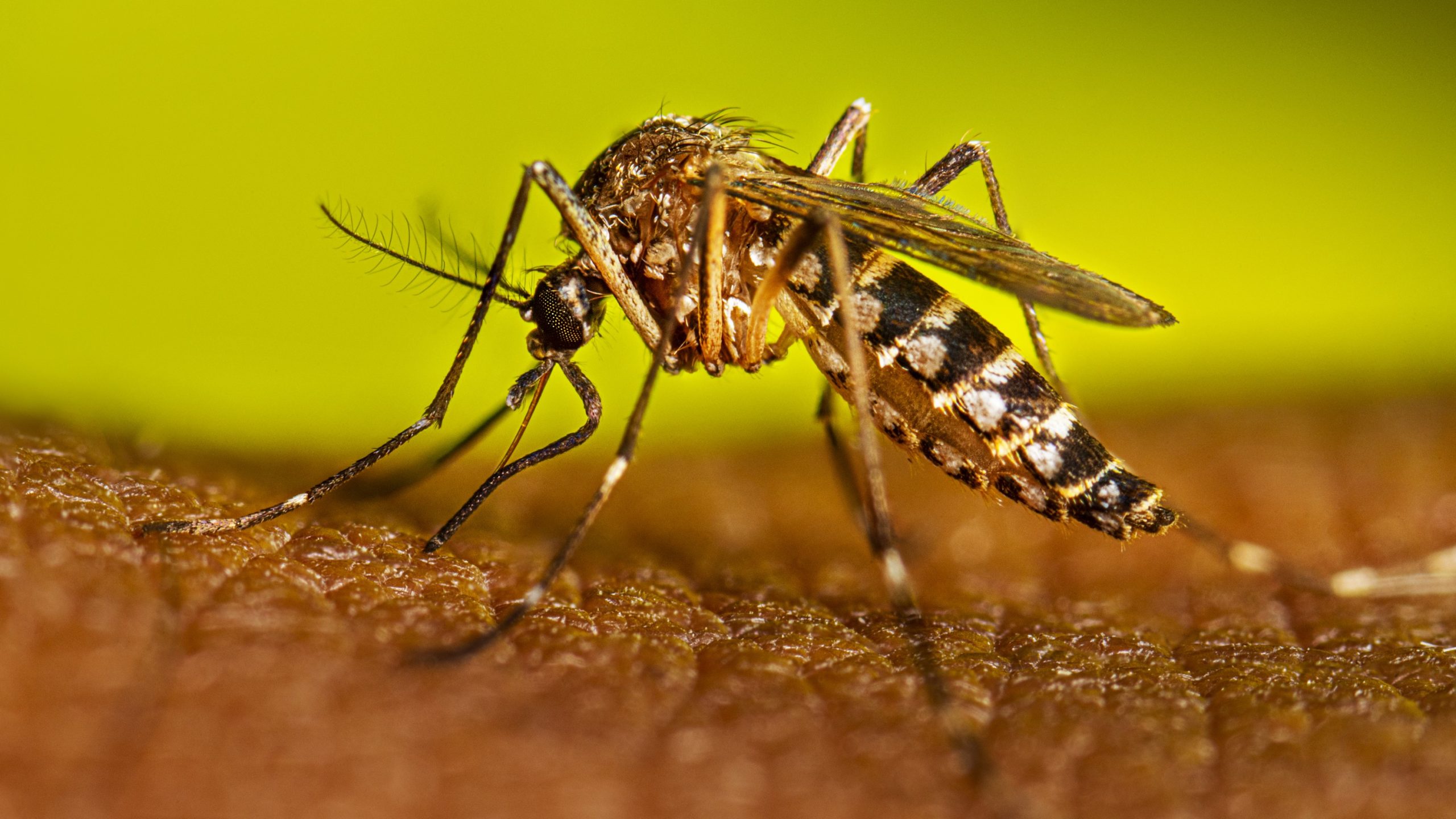
Chikungunya is an arbovirus which is not a new threat to travelers but is increasing in frequency and a growing public health concern in recent years. It is vector-borne, spread by the bite of a mosquito, Aedes aegypti (and albopictus), the same one that transmits Dengue, yellow fever, and Zika. After resurfacing in Tanzania in 1952 as a febrile syndrome with intensive joint pain, it was named “chikungunya” from a word in the Kimakonde language meaning “to be contorted”. Often all three of these viruses circulate in the same area, making diagnosis challenging. It is now present in 114 countries including ) in Asia, Africa, Americas, Europe, and Oceania. Though the case-fatality rate is low (0.07%) it results in chronic or permanent disability in many cases, with the newborn and elderly population being at higher risks.
Presenting symptoms of patients infected with chikungunya are headache, myalgia, nausea, and rash with polyarthralgia. Joint symptoms are usually bilateral, symmetric, and severe. Symptoms typically resolve within 7-10 days but many patients have persistence of or relapse of rheumatologic symptoms for months or years.
While Chikungunya is more likely to cause high fever, severe arthralgia, arthritis, rash and lymphopenia, dengue is more likely to cause neutropenia, thrombocytopenia, hemorrhage, shock and death. Malaria, leptospirosis, rickettsia, rubella, group A streptococcus, measles, other alphaviruses, and rheumatologic conditions may present in similar fashion.
Chikungunya virus currently has no treatment. Though there were multiple vaccines in progress, the FDA and CDC paused the use of Ixchiq (Chikungunya vaccine live) in August 2025 due to deaths and side effects, and an mRna vaccine being produced by Moderna is no long in production. A virus-like particle vaccine (VIMKUNYA) using a molecule that resembles the virus is available.
Prevention of Chikungunya, like all mosquito-borne illnesses, is primarily by prevention of bites through use of permethrin impregnated clothes and mosquito nets, wearing protective clothing, avoidance of outside exposure without protective clothing especially at dawn and dusk, wearing EPA-registered insect repellents with DEET, Picardin, Oil of lemon eucalyptus, etc.
Find an EPA-registered insect repellant https://www.epa.gov/insect-repellents/find-repellent-right-you
Learn About Permethrin-Treated Clothing and Gear
If you are considering travel to Bangladesh, Cuba, Guangdong Province, China, Kenya, Madagascar, Somalia, Sri Lanka there are current outbreaks. Be sure to schedule your pre-travel visit for more information at Restore My Health MD. Staying healthy is much more than just getting “some travel shots”.